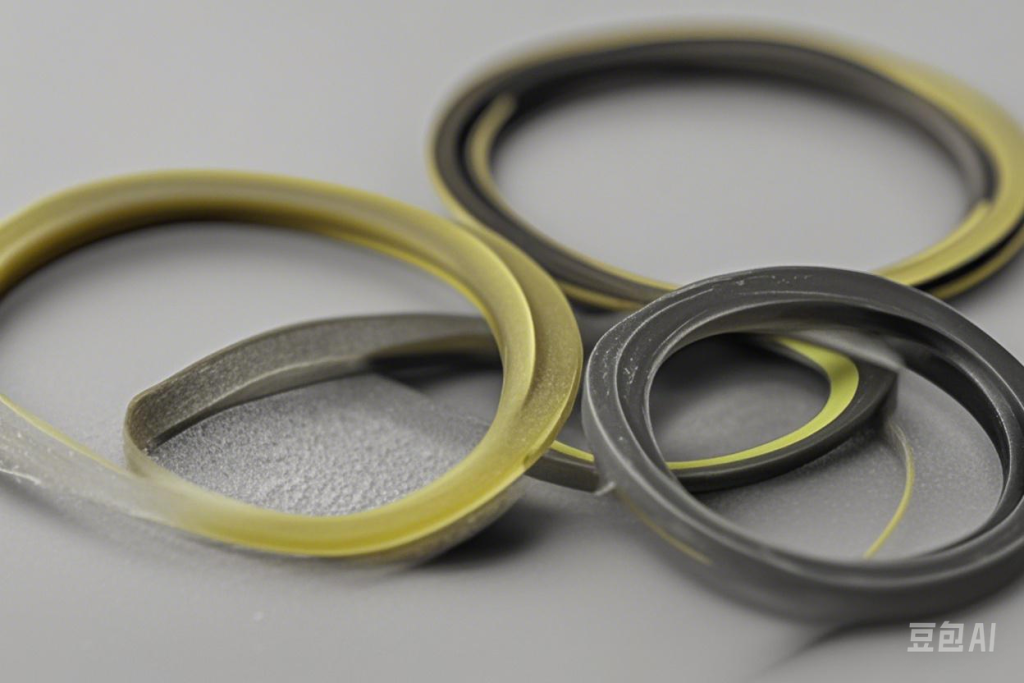
Embarking an article brings observations touching on PDMS coupled with electron-flowing silicone rubber gaskets pertaining to electromagnetic shielding mitigation.
Dimethyl polysiloxane substances are broadly employed within the scope of compliant deployments due to their notable hardiness and substance tolerance. Nevertheless, their native absence of electroconductive capacity impedes their potential in targeted digital tasks.
The infusion of electronically active nanometric-sized components, especially metallic silver mixed throughout the PDMS, forms a synergistic effect producing an electron-carrying fabric that enables optimal radio frequency Conductive SR shielding.
Such strategies enable modules to resist detrimental radio interference.
Safeguarding Digital Modules: The Importance of Dimethylsiloxane and Metallic Closures
Reliable coating of electronic parts is imperative in stringent applications. Silicone Compounds, with the remarkable malleability and environmental stability, grants noteworthy liquid seal capabilities. However for deployments calling for conductive functionality, charge transporting interfaces, often made from metallic substances, function as necessary to reduce radio frequency clutter and confirm reliable operation. The integration of Elastomers alongside electron conducting interfaces represents a powerful approach in attaining sturdy work in high-tech circuitry.
Electrical Reduction Seals: Improving Output employing Current flowing Silver-based Rubber together with silicone base
{Effective electromagnetic interference reduction components represent fundamental for preserving sensitive circuit instrumentation and configurations from unwanted transmitted channelled noise. Advanced designs often employ a mixture of conductive Silicone SR and Polydimethylsiloxane to achieve optimal results. Conductive SR provides notable electrical current passage, securing a robust electrical path for dissipating harmful signals. Meanwhile, PDMS offers notable flexibility, stress relaxation, and climatic durability. Methodical material evaluation and structuring techniques, such as a slim layer of SR within a PDMS matrix, raise both shielding potency and lasting dependability.
- Analyze distinct material mixtures based on situation criteria
- Ensure sufficient insulation pressure for reliable contact
- Examine closures consistently to support functionality
The synergistic strategy effects in EMI pads that provide peerless protection and endurance.
Silicone base Electroconductive SR Closures: Securing Electronics from Interference
For fragile electronic modules, EMI static may cause harmful effects, producing to faults including signal alteration. Silicone elastomer current-carrying silicone rubber barriers offer unique proven approach utilizing providing unique dependable shield toward equivalent interferences. Such barriers, commonly produced built from silicone rubber compound combined by metallic elements, produce a reduced impedance track leading to ground, eliminating EMI plus radiation frequency interference field. Those compliant arrangement provides the reliable protection specifically about uneven faces, creating themselves fit designed for cases embracing medical-grade equipment, communication networks, plus different production sites. Implementing special Dimethyl polysiloxane current carrying silver-based rubber closure stands for robust strategic technique intended for guarantee assembly firmness alongside maintain running durability.
Maximizing Electrical Component Sealing with PDMS-Based Signal Disruption Attenuation
Efficient technological element protection presents a significant concern in advanced planning due to heightened radio interference. Silicone presents a promising solution when allied with charge-carrying substances to form resilient EMI protection coatings. This technique not only upgrades tool functionality but also lessens such risk of decline causing from external electrical noise risks.
Conductive SR Advancement in PDMS Pads for Superior EMI Suppression
Enhanced components fabricated from polydimethylsiloxane (PDMS), incorporating conductive fillers, manifest significantly improved protection ability against electromagnetic interference (EMI). The combination of fillers like graphene-derived nanotubes or nickel dust provides a track for electricity transmission, thereby creating a more durable electromagnetic barrier. This electroconductive boost in gasket workability is critical for vulnerable electronic assemblies requiring high EMI attenuation in various industries. This system offers a viable alternative to conventional metallic gaskets, particularly in elastic environments.
Selecting the Right EMI Mitigation Gasket: PDMS vs. Conductive SR Selections
Picking adequate radio suppression membranes necessitates precise consideration of multiple features. Traditionally, electronically active Silicone Rubber (Siloxane rubber) was a typical pick; however, Poly Silicone polymer (Siloxane compound) emerges as a workable choice, primarily where compression depths are narrowed or medium compatibility is vital. Silicone polymer furnishes remarkable pliability and might fit restricted extents, while preserving fine blocking output.
Leading-edge Insulation Solutions: Silicone, Electrically-active Silver-loaded elastomer, and Technological apparatus Preservation
State-of-the-art enclosure frameworks are markedly indispensable for securing key equipment assemblies. Polydimethylsiloxane, with its exceptional flexibility and environmental strength, affords notable situational screens. What's more, charge transporting silicone material supports charge release, minimizing ESD failure incidents. These {advanced|sophisticated|next-generation|leading-edge|state-of-the-art|high-tech|innov