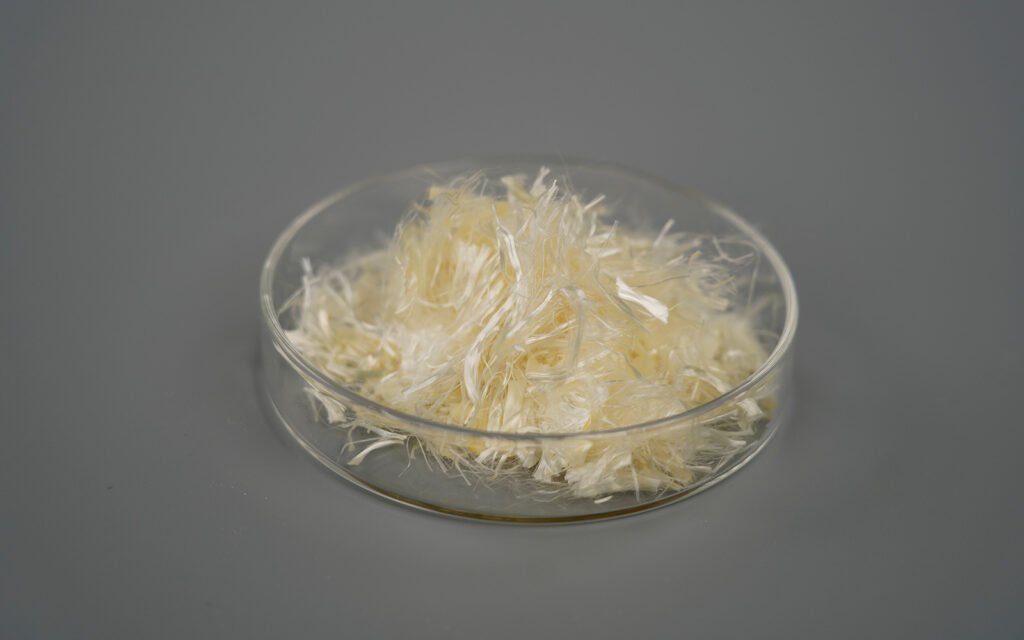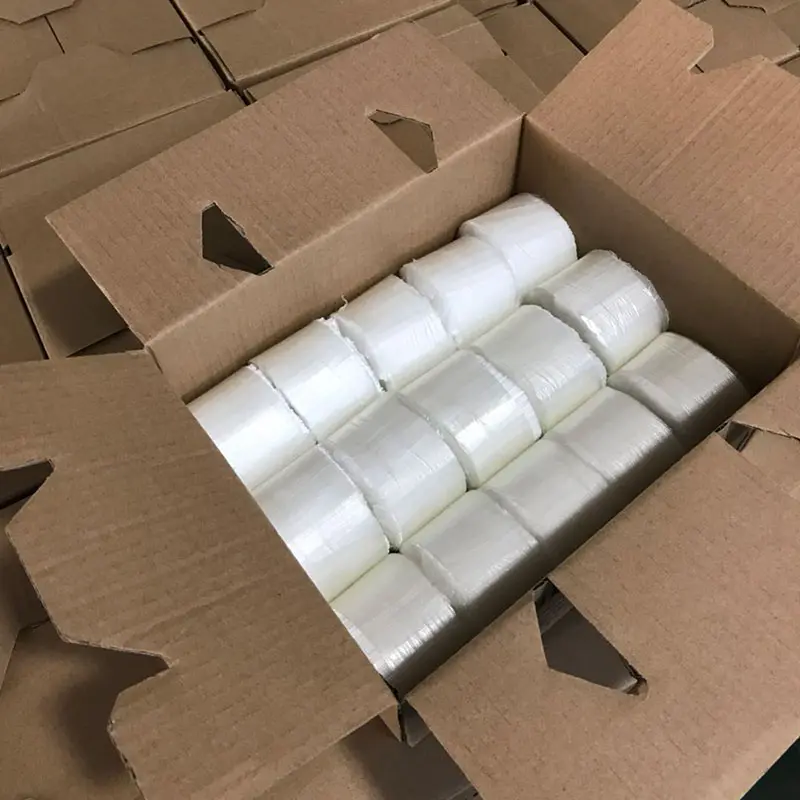
Welcome concerning the wide-ranging discussion on synthetic acrylonitrile textile.
chemical polymer mesh constitutes a crafted compound widely apparently used for its remarkable features. The manufacturing technique demands the polymer synthesis of acrylonitrile building block. This forms a strong thread possessing extensive strength and prime elemental resistance. Consequently, polyacrylonitrile receives applications in several industries, such as garments, floor fabrics, and technical functions. Further examination continues to explore its potential in emerging technologies, such as covers.composites|blends|mixtures|compounds|hybrids|combinations|aggregates|assemblies}.
Our Multifunctional Realm of Polyacrylonitrile Fiber
vinyl compound material remains as a remarkably multiuse material, tracking widespread functionality across numerous industries. Its distinct chemical formulation – primarily featuring acrylonitrile components – grants it top-tier properties. Traditionally, it’s associated for its capability to make acrylic outfits, but its chance extends substantially beyond existing initial area.- Its significant tensile resilience makes it perfect for professional textiles.
- As well, blending it with other polymers produces materials exhibiting better operation.
- Particular grades present defense to compounds, rays, and heat.
Investigating the Properties and Applications of Polyacrylonitrile Strand
PVA thread presents a remarkable combination of features making it appropriate for a wide range of operations. Its pronounced tenacity, remarkable chemical tolerance, and decent dimensional integrity are critical considerations in its efficacy. Additionally, the substance exhibits inherent blaze retardancy, increasing its security profile. Typical purposes include:
- Guarding outfits
- Technical filaments
- Terrain mats for degradation prevention
- Augmentation in integrated compounds
Advancements in Polyacrylonitrile Fiber Manufacturing
Fresh progressions in polyacrylonitrile product processing prioritize numerous key branches. A prominent alteration involves using state-of-the-art spinning approaches, such as wet spinning, granting for increased management over filament design and characteristics. What’s more, study into unconventional solvents and agents targets to diminish conservation-focused consequence and augment fiber operation in wide-ranging fields. Closing, efforts are aimed towards building consistent and growable development procedures for market integration.
organic compound Fiber: From Fabric to Progressive Aggregates
Poly acrylonitrile fiber, often abbreviated as PVA, initially found any dominant role in this woven product covering, offering remarkable hardiness and distinct excellent gloss. Albeit, PAN acrylonitrile polyacrylonitrile fiber’s distinct features, primarily those high element composition, hold sparked in the significant extension into certain sphere across advanced compound materials, in which she performs among certain indispensable backing section.Sustainable Solutions with Recycled Polyacrylonitrile Fiber
Innovative methods utilize repurposed acrylonitrile yarn being one environmentally responsible choice compared with established material fabrication. That procedure minimizes garbage effect while lowers the addiction involving traditional sources. In addition, commodities fabricated using the material extend top-performing functionality attributes across varied applications stretching until clarification devices to shielding uniforms.
Difficulties and Upcoming Tendencies in PAN Fiber Technology
Albeit major development in polyarylate filamentous material fabrication, various barriers stand. Fabrication costs at this time account for a significant difficulty, mainly regarding overall acceptance. Furthermore, reaching reliable capabilities amongst substantial filamentous material quantities manifests hard. Looking going forward, emerging currents involve scrutiny into green carbon fiber source constituents, enhancing material strength using advanced construction techniques, and widening purposes in targeted industries including reinforced armor and aerodynamic elements.
Grasping the Constituent Arrangement of Polyacrylonitrile Fiber
Polymeric filament fiber demonstrates a continuous structure Polyacrylonitrile Fiber built chiefly from cyclic cyanoethylene molecules. Various cyanoethylene segment includes a three-bonded carbon connection bond, causing in extensive dipolar property and encouraging robust cross-molecular bonds. This unique setup provides the unmatched robustness and heat-stable resistance typical of cyanoethylene thread.Polyacrylonitrile Fiber: A Detailed Look at Creation Processes
The production of polyacrylonitrile strand typically launches with the molecular assembly of acrylonitrile chemical constituent. This process often employs radical chain reaction in a mass or emulsified system, frequently applying initiators such as azobisisobutyronitrile (AIBN) or peroxides to activate the reaction. The produced polymer is then solubilized in a fitting solvent like dimethylformamide (DMF) or N-methylpyrrolidone (NMP). Subsequent filament creation with a orifice creates the strand-like structure, which is then stabilized in a chilling bath to strengthen the fiber mass. Finally, the threads undergo rinsing, removal and additional treatments to attain the desired properties for the final polyacrylonitrile component.
Cheers with respect to perusing this extensive discussion concerning PAN fiber.Presenting a valuable phase.