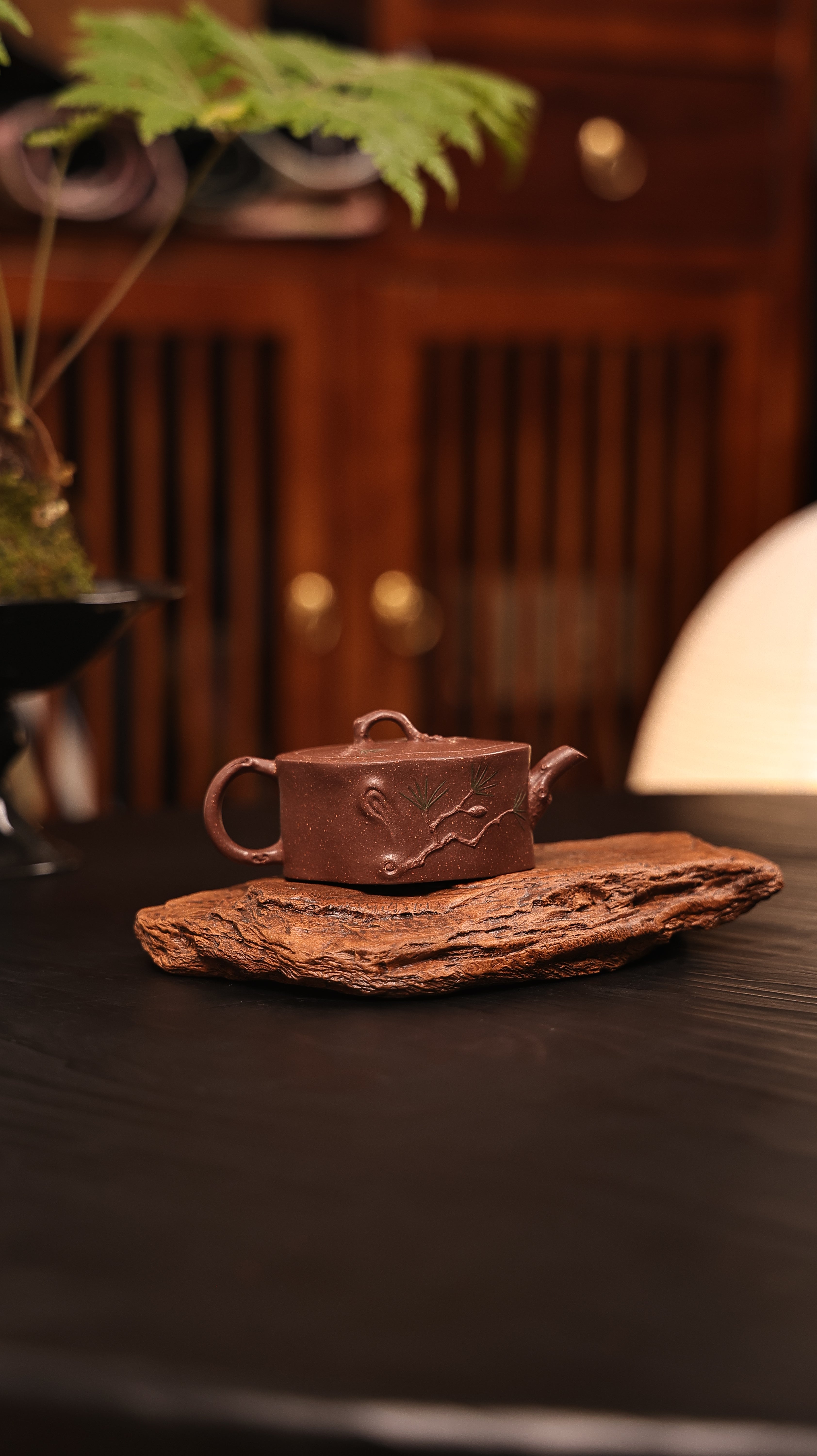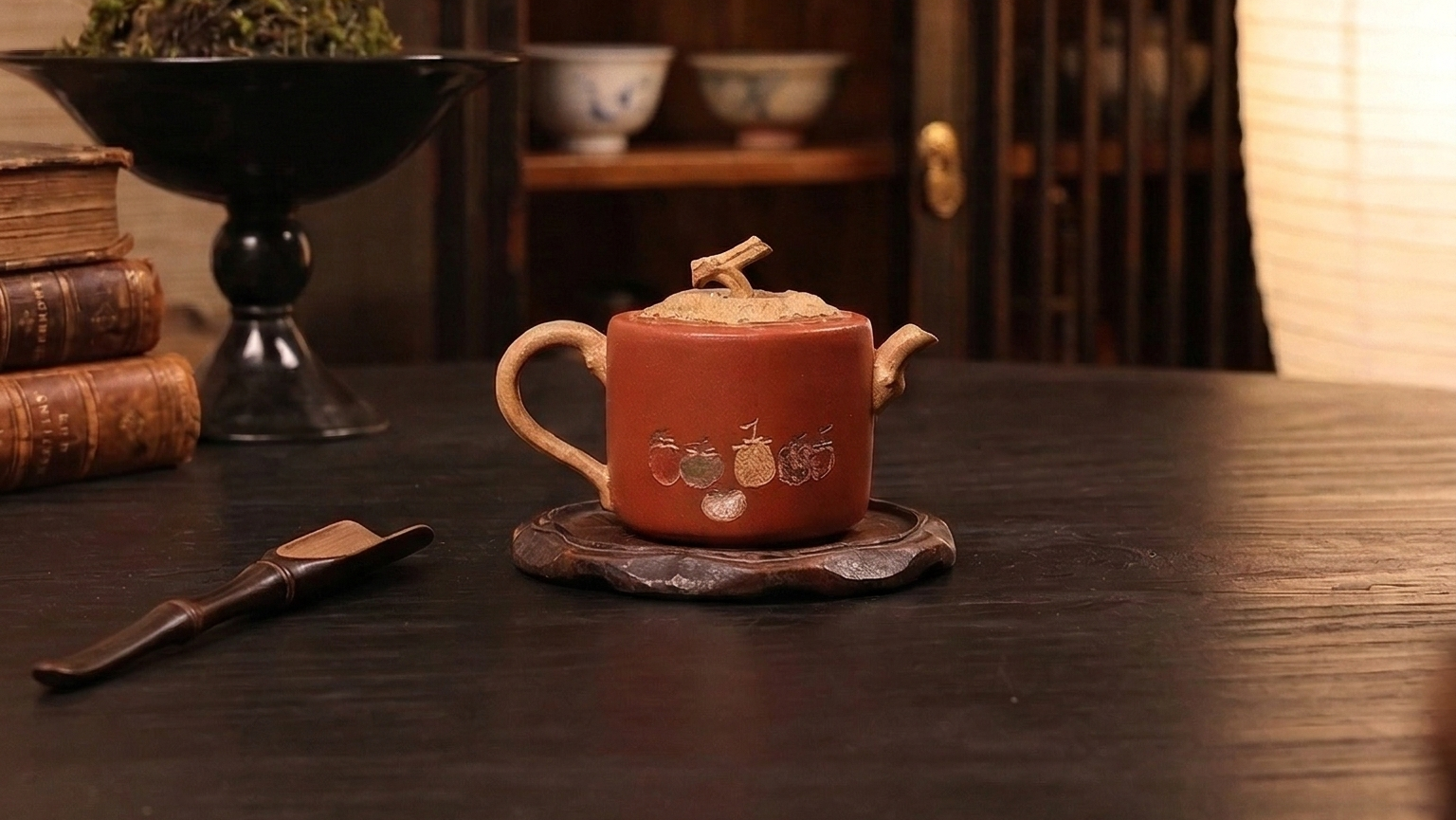
Kicking off our comprehensive investigation of Ihsing Tzu Sha teapots offers one gripping alloy including mastery in conjunction with functionality.
宜兴 Zi Sha brewing containers carry unique unparalleled fascination regarding devotees on a global scale. Distinguished outstanding earthenware containers, sourced from the specific Yixing region adjacent to Jiangsu locale, China, constitute more than just tea utensils; they are esteemed as works creative beauty and traditional significance. That finely processed clay, known for Zisha, imparts a nuanced flavor inside the tea, and the fancy designs, often exemplifying traditional Chinese symbols, enhance their intrinsic value. Acquiring a genuine Yixing Zisha teapot provides a worthwhile journey, calling for careful examination and an grasp of the manifold factors influencing the uniqueness.
Delving into Yixing Teapots
Issing pottery vessels boast a deep history deeply interwoven with Chinese identity. Originating in Yixing, Jiangsu district, these containers are crafted from a unique, porous purple mud found only in that special location. Their creation began during the Ming session, with master craftsmen refining the processes over periods. Distinct types are found, including the classic Hexiang (resembling crab shells), Zhuni (red-brown hue), and Duan Ni (stone-studded) – each with distinctive attributes. The importance of an Yixing pot isn't solely based on its Yixing Teapot size or trim, but also on the creator’s reputation, the earth's quality, and the pot’s age and condition. Connoisseurs often seek out older examples, believing they soak up the essence of the tea brewed within them over time, further adding to their distinction.- Crab Shell Brewing Vessels
- Earth-Toned Brewing Vessels
- Mineral-Stippled Teapots
Zisha Teapot Mastery: Handiwork & Methods
That crafting of Zisha teapots represents a climax of Chinese ceramic art. Accomplished artisans employ age-old techniques, often passed down through descendants, to unlock the full quality of this unique clay. Processes involve meticulous crafting by hand, often combined with the layering method, followed by precise heating at incredibly marked temperatures in wood-fired kilns. Adorning is equally crucial; artisans utilize natural clay colors and may incorporate engraving work to depict intricate scenes or patterns, demonstrating a profound expertise of the material’s characteristics and presence. The conclusion teapot isn't merely a vessel for tea, but a testament to a significant cultural history.
Classical Ceramics: Unique Presentation to Ihsing Tzu-sa
Studying the world of the teapots regularly originates with Yixing Zisha. These rare clay vessels are fashioned from a dedicated type of clay sourced only in the Yixing region of the Jiangsu province. Acclaimed for its exclusive reddish-purple hue and premium properties, Zisha clay gives a soft flavor to the elixir and advances with age, evolving into a cherished collectible. Acquiring Yixing Zisha clayware is more than just keeping a elegant object; it’s a celebration of heritage and craftsmanship.
Delving into that Earthenware: Origination & Elevation
Engaging in the arena of Yixing Zisha pottery can be both lucrative, but demands a thorough knowledge. Veracity is essential; several copies circulate, regularly skillfully created. Informing oneself about time-honored heating systems, characteristic earth qualities, and the signatures of distinguished creators is entirely fundamental. Besides, grasping the details of the value trend – influenced by determinants such as classical role and the shape of the object – is key to rewarding gathering.
- Exploring baking background.
- Consulting authorities for endorsement.
- Comprehending auction behavior.
This Skill of Preparing with a Stoneware Container
Such unique allure of a Zisha apparatus lies not just in its lovely appearance, but also in its significant impact on the quality of the drink. These time-honored clay tea pots, sourced from distinctive regions of China, possess a intrinsic porosity that mildly interacts with the essence and leaves, imbuing the cup with a subtle character. Mastering the approach requires a patient approach, understanding how the earth responds to diverse thermodynamics and plant types, ultimately leading to a genuinely rewarding consuming ritual.
Sustaining One's Treasure
Proper handling of your Yixing teapot is indispensable to maintaining its endurance. These special teapots, crafted from uncommon Yixing clay, accrue a appearance over years that raises their worth. Systematically rinse the inside with pure water, avoiding soap, and never use rough scrubbing tools. Occasional gentle rubbing with a plush cloth can aid in wiping away marks. Allow your kettle to properly dry once each infusion
Decoding Terracotta: Elements This Ceramic Pots Illustrate Special
The well-known appeal of Yixing teapots is sourced in the special properties of Earthenware clay, sourced solely near Yixing, that region. This noteworthy clay, recognized as ferruginous porcelain , contains a unique combination of minerals that, as years pass, take in the savor of the elixirs it holds. This creates a exclusive note for each teapot, giving it a significance far transcending its baseline price and contributing to their sought-after status among tea enthusiasts.
Selecting the Best Ancient Kettle: A Zisha Manual
Venturing into the world of Zisha clay teapots can feel complex, but understanding the principles is essential to identifying a esteemed piece. This model of clay, sourced essentially from the Yixing region, Jiangsu Province, is well-regarded for its uncommon permeability and ability to augment the bouquet of the elixir over duration. Ponder the configuration, the tint, and the visual appeal; a real Zisha teapot is more than just a receptacle; it's a artistic piece and a emblem of oriental culture. Check the signature of the potter for clues to its origin and potential value.