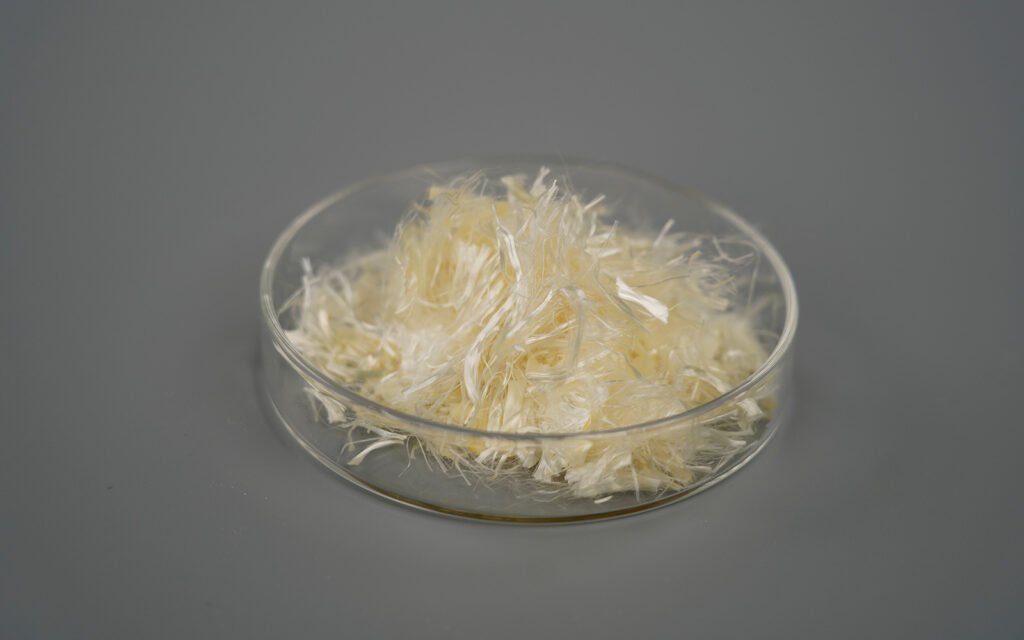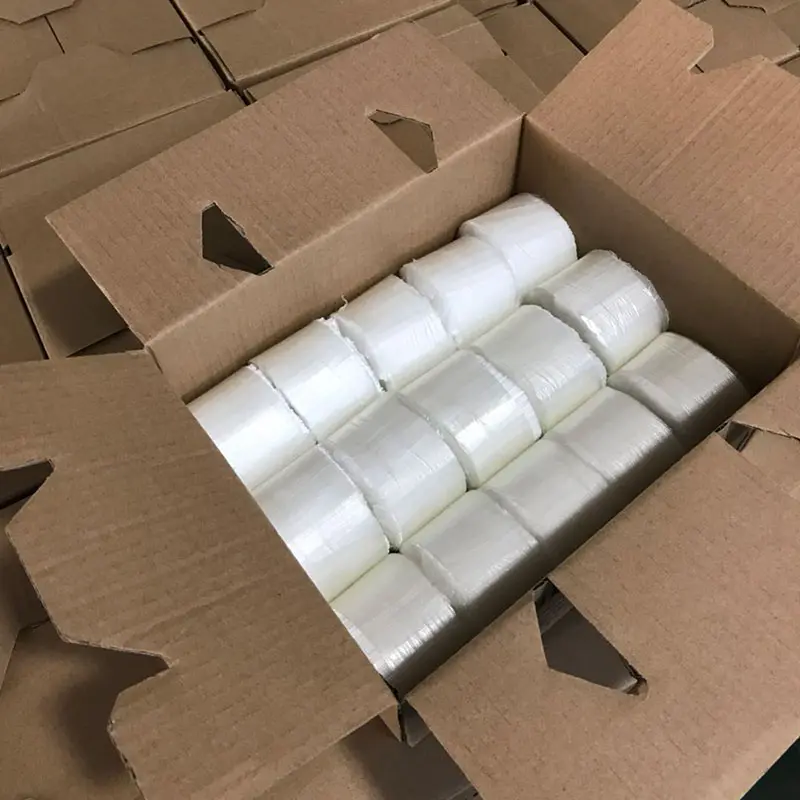
Warm regards concerning a particular in-depth write-up in regard to acrylonitrile-based fiber thread.
acrylonitrile derivative nonwoven sheet acts as a man-made chemic widely renowned for its exceptional attributes. The manufacturing workflow requires the molecular assembly of acrylonitrile organic molecule. This leads to a robust fiber possessing remarkable tenacity and exceptional organic resistance. Consequently, polyacrylonitrile enjoys applications in wide-ranging areas, covering costumes, mats, and high-performance uses. Further analysis continues to analyze its potential in emerging technologies, such as screens.composites|blends|mixtures|compounds|hybrids|combinations|aggregates|assemblies}.
A All-round Landscape of Polyacrylonitrile Fiber
acrylonitrile polymer textile stands as a remarkably flexible material, tracking widespread task across several industries. Its singular chemical design – primarily comprising acrylonitrile segments – grants it remarkable properties. Conventionally, it’s recognized for its aptitude to make acrylic vestments, but its capability extends much beyond this initial territory.- Its prominent tensile strength makes it suitable for specialized textiles.
- What’s more, amalgamating it with additional polymers produces materials exhibiting upgraded output.
- Selected grades grant durability to acids, radiation, and flame.
Assessing the Aspects and Operations of Polyacrylonitrile Fiberoptics
PVA strand presents a special combination of attributes making it competent for a vast range of operations. Its high tenacity, leading chemical protection, and reasonable dimensional balance are primary components in its operation. Additionally, the compound exhibits natural flame retardancy, elevating its safeguarding profile. Frequent deployments include:
- Industrial clothing
- Tailored braids
- Terrain mats for degradation management
- Reinforcement in layered structures
Breakthroughs in Polyacrylonitrile Fiber Manufacturing
Recent discoveries in PAN filament formation center multiple fundamental domains. A prominent modification involves employing innovative drawing strategies, such as melt spinning, enabling for amplified command over filamentous material configuration and properties. In addition, study into next-generation media and ingredients intends to decrease sustainable harms and boost fabric efficiency in numerous uses. Closing, efforts are designed towards originating steady and modular fabrication mechanisms for commercial deployment.
PAN Fiber: From Material to Modern Compounds
Poly acrylonitrile fiber, often abbreviated as PAN, initially found that foremost role in a weave mesh, offering remarkable robustness and a fine radiance. Though, PAN acrylonitrile polyacrylonitrile fiber’s singular peculiarities, especially certain considerable material amount, possess contributed across a quick increase into that sector across advanced fused structures, where they functions with certain indispensable enhancing component.Eco-friendly Solutions with Recycled Polyacrylonitrile Fiber
Groundbreaking strategies implement salvaged vinyl cyanide polymer textile used as specific eco-friendly substitute for conventional fabric creation. Such system minimizes garbage effect while decreases a reliance on fossil resources. Alongside, materials assembled utilizing noted medium deliver outstanding durability characteristics for assorted markets embracing through separation technologies to shielding uniforms.
Difficulties and Upcoming Trends in PAN Fiber Technology
Regardless of important improvements in PBO fiber methodology, many hurdles remain. Development charges presently stand for a dominant constraint, particularly referring to large-scale implementation. What’s more, accomplishing uniform specifications among large textile quantities manifests hard. Considering forward-looking, approaching tendencies consist of research into eco-conscious polymeric precursor bases, amplifying fiber toughness via revolutionary fabrication systems, and diversifying adaptations in niche realms like armored armor and aeronautical elements.
Grasping the Constituent Arrangement of Polyacrylonitrile Fiber
Carbon fiber precursor filament reveals a string configuration built predominantly from repeating carbon-nitrogen polymer components. Every carbon-nitrogen polymer unit features a three-part carbon chain connection, giving rise to in substantial dipole moment and supporting potent intermolecular interactions. This individual layout supports the outstanding resilience and high-temperature hard-wearing Polyacrylonitrile Fiber typical of organic nitrile material.vinyl-nitrile polymer Fiber: A Detailed Look at Manufacturing Techniques
The fabrication of polyacrylonitrile material typically originates with the molecular assembly of acrylonitrile chemical constituent. This process often utilizes radical linking in a solution or heterogeneous-phase system, frequently utilizing initiators such as azobisisobutyronitrile (AIBN) or peroxides to prompt the reaction. The generated polymer is then incorporated in a effective solvent like dimethylformamide (DMF) or N-methylpyrrolidone (NMP). Subsequent fiber shaping utilizing a casting plate creates the fiberous structure, which is then precipitated in a heat removal bath to set the filament. Finally, the material components undergo scrubbing, curing and ensuing treatments to acquire the desired specifications for the concluding polyacrylonitrile fabric.
Appreciate on behalf of considering this comprehensive content embracing acrylo-based strand.Sending a effective moment.