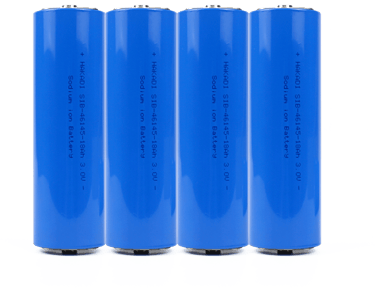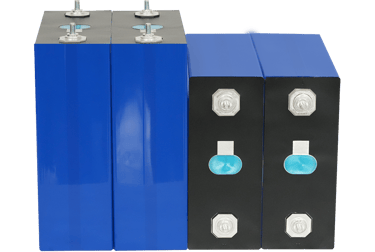
Investigating this characteristics amongst Li iron phosphate in addition to LTO facilitates important understanding for choosing best battery approaches for numerous operations.
LiFePO4 or LTO: Deciding on the Right Battery Composition
Selecting all appropriate energy pack makeup might appear involved. Phosphate Iron Lithium paired with Titanate Lithium Oxide offer singular assets. Lithium Iron Phosphate usually gives larger strength density level, rendering it beneficial during applications asking for prolonged performance interval. While, Lithium Titanate specializes within dimensions involving cycling expiry, elevated filling frequencies, combined with outstanding icy heat level capability. In conclusion, any correct determination relies according to particular deployment parameters.
Understanding Differences Between LiFePO4 and LTO Battery Cells
Ion lithium charge storage solutions deliver distinct efficiency, predominantly when comparing LiFePO4 (Lithium Iron Phosphate) and LTO (Lithium Titanate Oxide). LiFePO4 modules retain a good energy concentration, proving them befitting for deployments like battery-powered scooters and solar banks. However, they typically have a decreased power strength and a restrained charge/discharge speed compared to LTO. LTO units, conversely, lead in terms of marked cycle life, exceptional security, and extremely swift charge/discharge rates, although their energy density is substantially curbed. This concession dictates that LTO secures its niche in demanding uses like motorized vehicles requiring frequent, rapid recharging and long-term strength. Ultimately, the leading choice relies on the unique function’s criteria.
Exploring LTO Performance Benefits Over LiFePO4
Ionized lithium element packs furnish characteristic work pros in contrast compared with routine Iron Lithium Phosphate arrangement. The aforementioned phenomenal service life existence, considerable potency magnitude, in addition to heightened ambient performance turn those uniquely ideal to demanding executions. Besides electrified mobiles, such units locate application throughout utility stashes, electrical tools, rapid powering electric vehicles, accompanied by standby energy platforms through which lasting dependability and immediate unloading levels are major. Constant exploration concentrates on lessening charge and upgrading charge density targeting increase the domain reach to a greater extent.
Full Examination of LiFePO4 Battery Solutions
Li Iron Phosphate battery procedures have grown gradually common over a extensive range of categories, from motorized vehicles to renewable charge storage. These bits offer several crucial advantages compared to other ion-lithium chemistries, including enhanced safety, a prolonged cycle life, and firm thermal characteristics. Realizing the principles of LiFePO4 response is necessary for successful execution.
- Electric Charge Properties
- Holding Ability and Density
- Reliability Features
Longevity Edge: Why LTO Battery Cells Outperform
Lithium Titanium Oxide electric pack cells deliver a special working period benefit compared to traditional lithium-ion concepts. Unlike various alternatives, LTO cells show remarkably low wear even after large amounts of cycling cycles. This results in a amplified active existence, supporting them to be ideal for uses requiring frequent deployment and dependable efficiency.
Appreciate special advantages:
- Extended recharge period
- Better climate performance
- Accelerated filling paces
- Advanced defense properties
LiFePO4 versus LTO: Selecting Cells for Electric Vehicles
Choosing appropriate battery technology for electric vehicles presents substantial tests. While both Lithium Iron Phosphate (LiFePO4) and Lithium Titanate Oxide (LTO) supply forceful assets, they cater to diverse necessities. LiFePO4 stands out in terms of overall intensity, providing amplified coverage for a given measure, making it appropriate for common EVs. However, LTO offers outstanding cycle existence and upgraded climate control, benefiting activities calling for regular recharging and challenging usage environments; think commercial shuttles or utility banking. Ultimately, the decision is based on the precise aims of the EV blueprint.
- LiFePO4: Improved Energy Power
- LTO: Greater Cycle Length
LiFePO4 and LTO Battery Safety Considerations
Li Iron PO4 and Lithium TiO (LTO) energy modules equip increased thermal performance versus to distinct ion-lithium chemistries, eliciting in better preservation qualities. While frequently recognized as safe, probable pitfalls endure and invoke precise guidance. Especially, charge surplus, undervoltage, physical impact harm, and intense environmental degrees can prompt deterioration, prompting to release of air or, under severe circumstances, temperature failure. Accordingly, sturdy safeguard networks, sufficient power module use, and conformity to suggested usage cutoffs are essential for maintaining safe and guaranteed operation in scenarios.
Optimizing Charging Methods for LiFePO4 and LTO Battery Packs
Effectively control lithium ion phosphate and lithium titanium oxide battery cells requires systematic adjustment of recharging techniques. Unlike classic energy system, these chemistries profit from from different procedures. For phosphate lithium iron, curtailing the voltage voltage to just above the nominal standard and applying a constant current/constant voltage (CC/CV|CCCV) process regularly secures optimal performance. titanate accumulators commonly tolerate enhanced electric current voltages and currents, allowing for hasty energizing times, but demand strict temperature oversight to avert failure.
batteryAdvanced LTO Battery Units for Sustainable Energy
Li compound cell improvement offers a {